Abstract
The purpose of this study is to investigate student perceptions of small and medium-sized enterprises and subsequent barriers preventing student engagement with small and medium-sized enterprises. The study uses questionnaire responses from a Professional Development Module of final year students and recent graduates from the University of Birmingham. The study’s findings support previous studies that generally, students and graduates would prefer to work for larger firms than small and medium-sized enterprises. Further, respondents valued long-term career prospects, pay and skill development as the three most important job attributes. The results reveal a communication barrier resulting in low visibility of opportunities in small and medium-sized enterprises in student and graduate job searches. Implications of the results and future research directions are also presented.
Keywords
small and medium-sized enterprisesgraduate and student careersfirm-type preference
Introduction
University graduates and employment remains a topic of high interest, yet relatively little research has comprehensively investigated student engagement with Small and Medium-Sized Enterprises (SMEs). This is perhaps surprising when considering that SMEs in the UK made up at least 99% of ‘every main industry sector’ at the start of 2016 and employed 60% of all private sector employment (Department for Business, Energy & Industrial Strategy, 2016). In addition, aside from a decrease from 2011-12 to 2012-13 following changes to England’s student funding system, the number of full-time first-degree entrants has been increasing from 2006-07 to 2014-15 (Universities UK, 2016).
This report will take SMEs as enterprises that have no more than 250 employees and produce no more than £50 million turnover (European Commission, 2017). This report seeks to determine student perceptions of SMEs in addition to the barriers to student engagement with SMEs. This paper is divided into five sections. The first section will review the general literature surrounding the relationship between students, graduates and SMEs and accordingly, our initial hypotheses will be outlined. The second section describes the methodology which subsequently details our research goals, conceptual framework, research questions, methods, problems incurred and anticipated and the generalisability of the study. In the third section, our results will be presented and discussed. The fourth section provides our proposed recommendations. The final section concludes and advises areas for future research. The findings of this study will directly inform and provide recommendations for the University of Birmingham’s Careers Network on how best to link students and SMEs, and consequently build opportunities for students in SMEs.
Selected Literature Review
The UK aligns its definition of an SME to that established by the EU, whereby both staff headcount and turnovers are considered in categorising firms. Thus, SMEs are presented as such if they have fewer than 250 employees, while turnover produced is £50 million or less (European Commission, 2017). While individual SMEs are less well known than many larger firms with well established brands, it is these businesses that are most responsible for growth in the private sector and have in some cases been the agents to lift countries out of recession (Storey,1994, quoted in McLarty, 1999). While their importance should not be disputed, their aim of long-term survival within the business sector is often challenged by external factors and internal factors. External factors such as economic or structural changes in the UK often disrupt recruitment by many employers, making progress in the business hard without new initiative (Williams and Owen, 1997). Internal factors such as the lack of resources and necessary skills required by employees is an area where there is consensus within the literature, believing that graduates could be the solution to reduce the latter issue while bridging the gap between graduates and SMEs (Arnold et al., 2002; Grub et al., 2007; Sear et al., 2012).
While the number of graduates has noticeably increased, the surge has not been reflected in the number of graduates taking up work within SMEs (Williams & Owen, 1997). Moreover, there has been relatively little published on SME-student engagement. This means that the debate is not well developed and requires further research. Contrary to the more centralised and structured format that graduates would obtain with larger organisations, SMEs would benefit graduates as the environment of work increases the quality of skills developed and gives more responsibility to them (Arnold et al., 2002). In the study conducted by Teo and Poon (1994), SMEs were more favourably viewed by management graduates because of this level of responsibility and managerial opportunity that is offered by SMEs. Furthermore, Arnold et al. (2002) found that grads had an overall positive experience from work in SMEs and believed that development of skills and a progression of career goals was offered from it, contrasting the beliefs of Teo and Poon’s (1994) participants who found SMEs lacking this long-term career prospect. By both studies again, the development and range of skills learnt was a highlighted benefit of working in these smaller firms. After self-reflection, the range of skills developed in an SME environment can benefit graduates in their future careers (Aitchinson and Graham, 1989, quoted in Walmsley et al., 2006). Therefore, it is clear that the desire to connect the two agents is there to benefit both. However, neither students nor SMEs see the other as their first choice. From this, issues within communication and other barriers can be highlighted.
The Higher Education Academy highlights six issues of graduate employability in SMEs which look at perceptions of both, for instance, job attributes and lack of work experience (Tibby, 2012). Walmsley et al. (2006) accessibly categorised these barriers into two groups. Ignorance barriers suggest both SMEs and graduates are misinformed by the opportunities which were shown in the first part of the literature review. According to Walmsley et al. (2012), careers advice is biased towards larger firms while business courses are perceived as being structured around larger firms, socialising graduates ‘into favouring employment in larger companies’. Market barriers are associated with the preference for larger firms due to perceived attributes and a utilitarian view that the larger firms or MNCs²⁴ will have more job aspects, outweighing those with SMEs. Both suggest a lack of communication and misinformation because of this. Therefore, work experience and internships are seen as key in overcoming said barriers and facilitate HEI²⁵ and SMEs engagement and relationships (William and Owen, 1997; Tibby, 2012).
The lack of work experience provided by SMEs which plays a part in the lack of understanding of what careers SMEs can provide. From this, we can see a clear lack of communication between the two agents concerned. A topical solution, which is argued by SMEs, HEIs and graduates, is to create closer networks between HEIs and SMEs in order to inform graduates on job attributes and the available work within these firms (Williams and Owen, 1997; Walmsley, et al., 2006; Woods & Dennis, 2009). This could thus be incorporated with expansion onto the internet where MNCs can greatly market their opportunities due to their greater resources (Mclarty, 1999). Here, a clear lack of resources on SMEs is evident, giving another reason for HEIs to work on bridging the gap between SMEs and graduates in order to reduce the impact of said barrier. However, while the literature covers the various barriers in communication and information, it fails to address the modern student’s tools when searching for vacancies and whether companies are in sync with this. If SME vacancy advertisements and graduate searches are not overlapping, it is far less likely that any progression in forming a relationship between both will be made. Moreover, graduates tend to be of central focus in the literature, rather than students. Our investigation also considers current students and seeks to compare the changes in perspectives following the completion of the PDM²⁶. Therefore, we focus on both graduates and students, as this may highlight more factors or emphasise those discussed before, such as perceptions of SMEs and perhaps the misconceptions that follow from these. This makes our research key to gaining insight into students and will thus provide recommendations for the Careers Network in the University of Birmingham in order to obtain practical application from our findings.
Hypotheses
Prior findings, including Teo and Poon’s (1994) study, indicated that there would be an overwhelming preference for larger firms rather than SMEs. Subsequently, the following hypotheses were formed:
- Hypothesis 1: Both graduates and students will prefer working in larger organisations than SMEs
Due to discussion conducted by Walmsley et al. (2012) regarding student socialisation into favouring larger companies within business and marketing degree programmes, the following hypothesis was formed:
- Hypothesis 2: The majority of BUS²⁷, EC²⁸ and AF²⁹ respondents will prefer larger organisations
Owing to the increasing use of digital communications technology, we foresaw that students, much like society in general, would search for jobs over the internet using most accessible options: Job Sites and Search Engines. Furthermore, the literature demonstrated that graduates are typically recruited by SMEs in an incidental way or through informal networks and methods (Sear, et al., 2012). Based on such findings, we formed the following hypotheses:
- Hypothesis 3: Job Sites and Search Engines will be the most used tools for job searching
Although the PDM is concerned with self-reflection and skills, it simultaneously entails a greater knowledge of future work opportunities. As such, we expect that graduates, having completed the PDM, will have a greater knowledge of the contemporary jobs market. Further, as previously mentioned, the literature discusses graduate socialisation towards larger firms. As such, we will find out whether PDM graduates, having undertaken the module and all accompanying workshops and placements, will have a wider understanding of different working environments such as SMEs. Based on these expectations, the following hypotheses have been formed:
- Hypothesis 4: Graduates, having finished the PDM, will have a better understanding of SMEs
Methodology
SME employment constitutes much of the job market, yet students do not engage with SMEs both to the same extent and in the same way as larger firms. This study intends to uncover what prevents student engagement with SMEs and clarify what barriers prevent student engagement. As previously mentioned, this research will directly inform and advise the University of Birmingham’s Careers Network on increasing student engagement with SMEs. Accordingly, this study aims to influence opportunities available, accessible and visible for students. Thus, this study will help to work towards opening up the SME job market for students.
Conceptual Framework
The above literature review has provided a basis for our research. According to the literature, lack of student engagement is the result of a combination of factors. That is, SMEs are largely unaware of the benefits of employing students or SMEs have not yet successfully opened their companies up to student engagement. Simultaneously, students have previously been unaware of opportunities available and students may not believe that SME employment is appropriate for what students deem desirable for employment.
Research Questions
Our investigation into student engagement with SMEs has been guided by considering the following supplementary questions:
- What are students’ perceptions of working for SMEs?
- What are the potential barriers preventing student engagement with SMEs?
In addition, we recognised that this problem is constituted by two sides. The first is concerned with students’ perceptions and ideas of employment. The other considers whether SMEs want to employ students. However, our research solely investigates the student element of the problem.
Methods
In order to understand the barriers to student engagement with SMEs with regards to the student side of the problem, a questionnaire was emailed to 641 people (267 graduates, 374 students). It was answered by 40 students. This method focused on whether students’ perceptions of SMEs and desirable job attributes can be linked to their engagement with SMEs. All those that were sent the questionnaire had enrolled onto the PDM but were at different stages. Thus, there were two discrete groups of respondents: those who had completed the PDM (2017 graduates) and those that were yet to start the module (students). People on the PDM were chosen to complete the questionnaire since the module is offered to a wide range of degree programmes across the College of Social Sciences, subsequently adding depth to our analysis. Further, we had direct contact with the students that were enrolled on and had studied the PDM. The areas covered in the questionnaire included biographical data (gender, degree programme, year of graduation), desirable job attributes, job searches, level of SME knowledge, considerations of SME and larger firm employment and job attributes associated with both SMEs and larger firms. This model was chosen since it was the most effective and efficient method to gather student perceptions within the 4-week deadline.
Questionnaire Design
The information was collected using a short questionnaire comprising of twelve questions. The questions used included a mixture of closed (10), partially-closed (1) and open-ended (1) questions. The questions used were a combination of multiple choice, slider-scale, Likert scale, and a free comment text box at the end. Several types of questions were utilised to prevent automated selection of answers (Borchardt & Weidauer, 2013).
General relevant literature helped guide our questionnaire design. The design of the questionnaire was in part based on Teo and Poon’s (1994) research design; we used their list of job attributes as a basis for some questions in the questionnaire. Teo and Poon’s job attributes included: pay, fringe benefits, working conditions, managerial quality and relationships, long-term career prospects, responsibility given, authority, involvement in decision making, marketability, and job security. Our questionnaire retained much of Teo and Poon’s job attributes list. We changed the terminology of Teo and Poon’s ‘authority’ to ‘given authority to make decisions’ to provide more clarity for respondents. Further, we incorporated an additional ‘prestige’ attribute that we believed was separate from marketability and an additional ‘skill development’ which we foresaw to be an important job attribute for students, especially owing to the nature of the PDM which places an emphasis upon self-reflection and the development of skills. Additionally, we included an example of ‘company car’ in the fringe benefit job attributes, since we foresaw many respondents may not be aware of this term. The final list of job attributes used are Fringe benefits (e.g. company car); Given authority to make decisions; Job security; Long-term career prospects; Managerial quality and relationships; Marketability; Pay; Prestige; Responsibility given; Skill development; Working conditions.
This list of 11 job attributes was used to form the basis of several questions. Firstly, respondents were asked to select three job attributes that are the most important to them. This aimed to uncover what students may be looking for in employment opportunities. Then, the students were asked to select, from the list of job attributes, those that they associate with SMEs, and the same was asked of larger firms. The aim of these questions was to reveal student perceptions of the two different types of firms in terms of what the students think they will gain from such employment opportunities.
Additionally, Walmsley, Thomas and Jameson’s (2006) ‘ignorance barrier’ and ‘market barrier’ was incorporated into our questionnaire design. For instance, respondents were asked about the level of knowledge they had of SMEs and which job attributes they thought were associated with SMEs. These questions sought to indicate the level of student ignorance that may have played a role in preventing student engagement with SMEs. Additionally, McLarty (1999) discusses the lack of resources SMEs possess to advertise on the internet. Accordingly, respondents were asked about the number of SME employment opportunities in their job searches and how they search for jobs. This sought to uncover the level of visibility of SME opportunities for students and therefore indicate the extent to which SMEs are advertising jobs to attract students, thus seeking to find a possible communication barrier between SMEs and students.
Problems Incurred and Anticipated
This research project was undertaken within limited time constraints. Consequently, we were only able to question the students and were unable to address the other side of the market – that is, whether SMEs want to employ students and recent graduates, and the reasoning for this.
Similarly, owing to the limited time allowance of the research project, the Literature Review and the questionnaire design were undertaken simultaneously. This was problematic as the questionnaire design is usually formed from findings of the entirety of literature review, however, the time constraints meant that the influence of our own literature review on the questionnaire design was reduced.
The use of an online questionnaire rather than face-to-face interviews allowed a time-efficient means of collecting student responses, especially given the large number of students that were notified of the questionnaire.
The questionnaire design was redesigned due to our perceptions of encouraging participation and completion of the questionnaire. The questionnaire was kept short and in a format which was easily to complete on a mobile device as we anticipated this would be a common way that students would respond to the questionnaire. Furthermore, we anticipated that difficult terminology may prevent students from completing the questionnaire. Consequently, several job attributes were rephrased, as stated above, in addition to giving examples for several multiple-choice options. Additionally, a definition of ‘SME’ was provided at the start of the questionnaire to ensure all respondents possessed a basic level of knowledge to complete the survey more accurately.
Initially, one of the question options was designed to ask respondents to rank job attributes in order of preference from ‘most important’ to ‘not important’. However, after discussion, it was later decided that this would be too time consuming for respondents, especially due to the extensive criteria to rank. Instead, the question was altered to ask respondents to choose their top three most important job attributes.
At the forefront of our discussions was the response rate for students, as previously indicated. The use of a voucher by means of an incentive for students to reply was discussed. Yet this incurred the problem that this may breach UK data protection laws by being able to identify respondents by their email address. Finally, it was decided that respondents could enter the voucher prize draw through emailing the Placements Team after completion, and a random number generator would pick winners of the prize.
Generalisation
It must be noted that this study used students and recent graduates from the University of Birmingham only. These University of Birmingham respondents were all from the College of Social Sciences and either undergraduate finalists or recent graduates. As a result, this study can only be generalised to undergraduates in Birmingham. That is, a similar study ought to be replicated in different universities and using students and graduates from different university colleges in order to comprehensively understand student perceptions of SMEs across all potential industries and degree programmes.
Further, it must be noted that all respondents are enrolled on the PDM. The module involves a compulsory work placement and lectures that take place before and after the placement that discuss employability skills, job hunting, self-reflection, career planning and so on. Consequently, the graduates have all completed a work placement and the undergraduates have all been encouraged to look for work placements, and some will have already started the placement. Therefore, the undergraduates and graduates used are more engaged with looking for jobs than those that do not take this module. Further, respondents used may have a better idea about future career goals than other students. As a result, we cannot reliably generalise these results across all students.
Results and Discussion
Sample Characteristics
40 questionnaires were collected. The sample can be categorised as follows:
- Degree Programme: 9 AF (22.5%); 2 BUS (5%); 13 EC (32.5%); 11 IR/POLS³⁰ (27.5%); 5 PPE/SOC³¹ (12.5%)
- Sex: 17 males (42.5%); 23 females (57.5%); 0 non-binary; 0 prefer not to say
- Graduate Status: 15 graduated 2017 (37.5%); 25 expected to graduate by 2018 (62.5%)
All respondents will have completed or are currently studying the PDM at the University of Birmingham
Firm Type Preference
Degree Programme
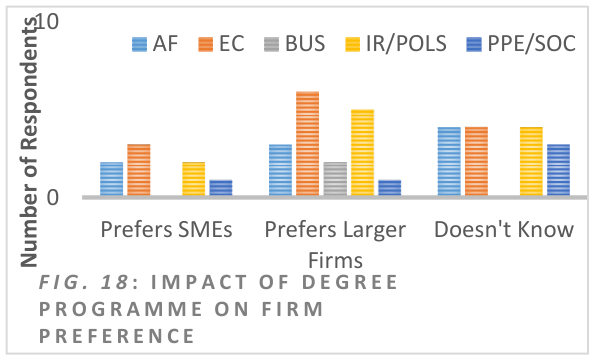
Fig. 18: Impact of Degree Programme on Firm Preference
Figure 18 shows the number of respondents in each degree programme with a preference for working in an SME, larger firm, or those that are unsure. The figure demonstrates that larger firms were the most selected option by respondents in EC (46.2%), BUS (100%) and IR/POLS (45.5%). No single degree programme had an overall preference for SMEs. However, proportionally, SMEs were marginally preferred most by respondents from an EC degree programme, with 23.1% of EC respondents with a preference for SMEs, compared to 22.2% of respondents from AF, 20% of respondents from PPE/SOC and 18.2 of respondents from IR/POLS. Overall, respondents from the AF (44.4%) and PPE/SOC (60%) degree programmes did not know which firm type that they preferred.
Accordingly, Hypothesis 2 has been partially supported, for respondents from BUS and EC degree programmes favoured larger firms, however, AF overall were unsure of firm preference.
Gender
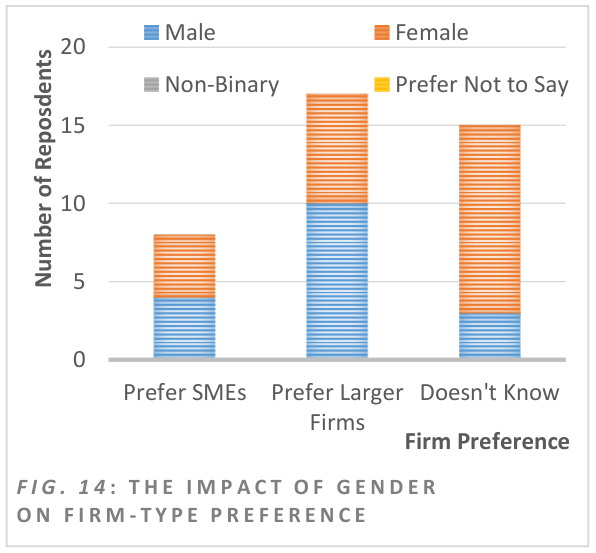
Fig. 14: The Impact of Gender on Firm-Type Preference
Figure 14 illustrates the relationship between the gender of respondents and firm preference. As shown in the figure, the majority of male respondents (58.8%) preferred larger firms compared to only 30% of female respondents. Most female respondents are unsure of their preference (52.2%) compared with just 17.6% of male respondents. Only 17.4% of females would prefer to work for an SME, whilst 23.5% of male respondents would prefer to work for an SME.
The majority of respondents were more inclined to work for a larger firm than an SME without consideration of gender, however, our findings demonstrate that the majority of female respondents are unsure of their preferences.
Graduate Status
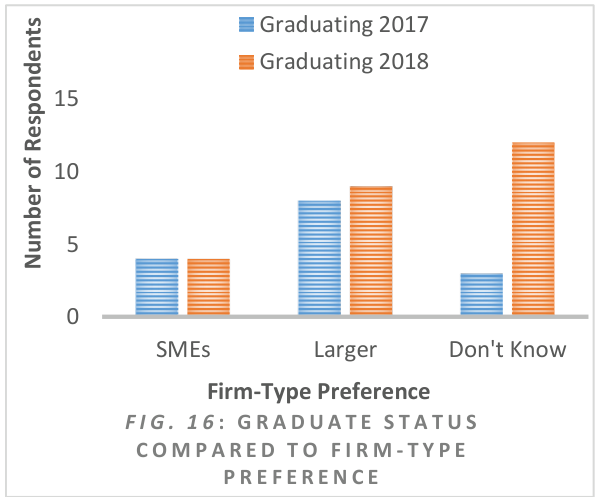
Fig. 16: Graduate Status Compared to Firm-Type Preference
Figure 16 above shows a comparison between the respondents’ graduate status and their firm-type preference. Of the 15 respondents who graduated in 2017, eight stated a preference for working in a larger organisation. Four stated a preference for SMEs while three answered that they didn’t know which they preferred. This shows that more than half showed a preference for larger organisations. Moreover, out of the 25 respondents who expect to graduate in 2018, 12 stated that they didn’t know which they preferred while nine said larger firms and four said SMEs. This shows that while graduates showed a preference for larger firms, the majority of students stated that they didn’t know which could be understood as not having a preference or being unsure of the difference. However, 12 students answered that they didn’t know while only three graduates stated this, which could suggest that those who had completed the module were surer of what they wanted in future careers. However, this should only be observed as a small factor as the reasons for these answers could be more far-reaching and complex so generalising down to this factor would be too reductive. This shows that graduates who had finished the PDM preferred larger organisations while those who are currently taking it answered that they didn’t know which they preferred.
This meant that Hypothesis 1 was not supported. We thought that both graduates and students would prefer larger organisations than SMEs.
Job Attributes
Degree Programme
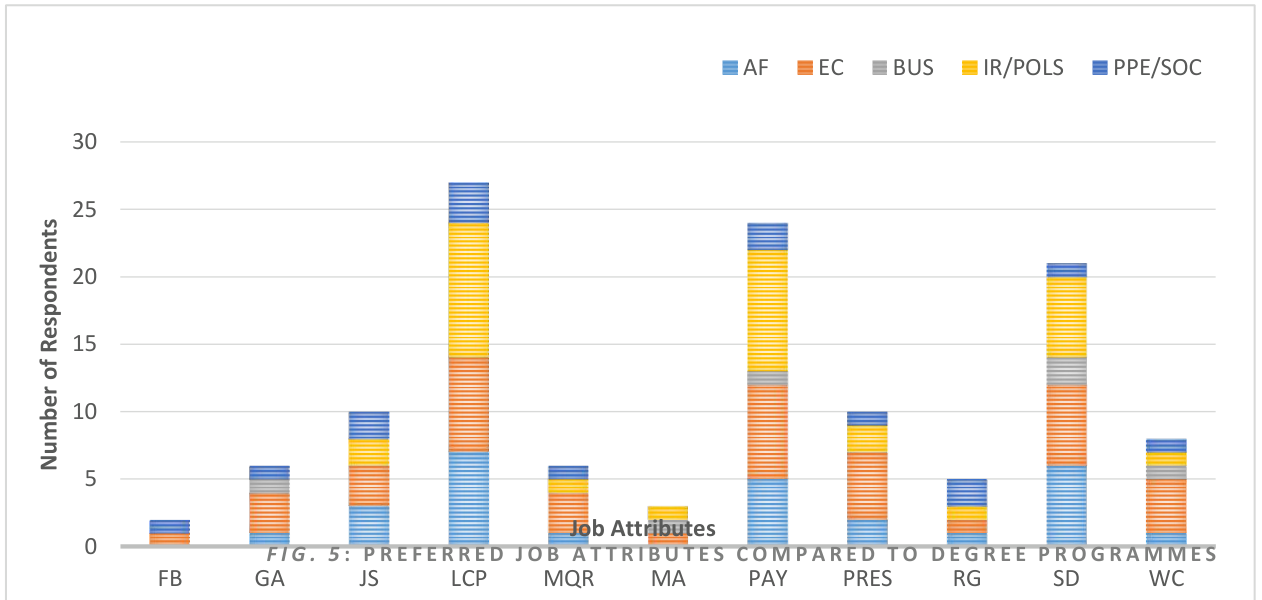
Fig. 5: Preferred Job Attributes Compared to Degree Programmes
Figure 5 compares respondents’ degree programmes to their three most desirable job attributes. The amount of responses from each degree programme varied greatly. Of the nine AF respondents, seven chose long-term career prospects, six chose skills development and five chose pay showing a significant majority of those who responded within the degree were in consensus. Out of the 13 within EC, seven chose long-term career prospects and pay while six chose skill development. Due to the paucity of responses from BUS programmes where only two responses were gained, and the nature of the question which was presented to them in the questionnaire where a total of three answers were required, results had less of an impact and were more sporadic as both prioritised pay but then followed this with authority given, marketability, pay and working conditions. From the 11 IR/POLS, ten chose long-term career prospects, nine chose pay and six chose skills development. Out of the small sample PPE/SOC where five respondents answered, three chose long-term career prospects while job security, pay and responsibility was chosen by two, showing again a more sporadic response, perhaps due to the size of the sample.
This shows that no significant differences can be found between job attributes seen to be important to respondents and their degree programme of choice.
Gender
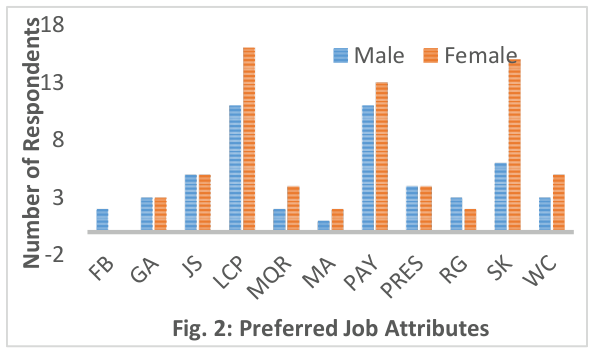
Fig. 2: Preferred Job Attributes
Figure 2 compares respondents’ gender to their three most important job attributes. Of the 11 job attributes listed on the questionnaire, both males and females significantly chose long-term career prospects, pay, and skills development as their most important job attributes. From the 17 males, 11 chose long-term career prospects, 11 chose pay and six chose skills development. Out of the 23 females, 16 chose long-term career prospects, 15 chose skill development and 13 chose pay. This shows that while females collectively emphasised these three job attributes, males’ responses were more varied resulting in job security and prestige being chosen by five, one less than skill development. Nevertheless, both males and females prioritised long-term career prospects, pay and skills development.
This showed that no significant difference was seen between the genders. This meant that hypothesis four and five were not supported. We suggested that males would prioritise ‘pay, authority given and long-term career prospects’ while females were hypothesised to prioritise ‘pay, fringe benefits and job security’.
Most Important Job Attributes and Association with SMEs and Larger Firms
Figure 9 indicates where respondents’ top three most important job attributes coincided with job attributes that they associated with SMEs and larger firms, individually. As such, it was significantly demonstrated that ‘Pay’ can be identified as the most selected ‘Most Important’ attribute that was also chosen as associated with larger firms.
The second most selected attribute for larger firms was ‘Long-Term Career Prospects’, whereas ‘Skill Development’ is the job attribute that was selected as a most important job attribute that was also selected as associated with SMEs. The second most selected job attribute for SMEs was ‘Long-Term Career Prospects’.
Overall, respondents saw more of their most important job attributes in larger firms rather than SMEs. That is, 56 from the sum total of 96 ‘most important’ job attributes collected from respondents were associated with larger firms. This suggests that respondents were inclined to believe that larger firms will provide the respondents with what is most important to them than SMEs. Notably, whilst overall, the most important attributes coincided most with larger firms, respondents’ most important job attribute coincided with their idea of SME-associated job attributes 41.7% of times. This unexpectedly large percentage is particularly interesting when considering merely eight out of the 40 respondents would prefer to work for SME rather than a larger firm. This suggests a barrier between SME and student engagement that exists beyond students’ perceptions of SME job attributes.
Level of Knowledge
Graduate Status
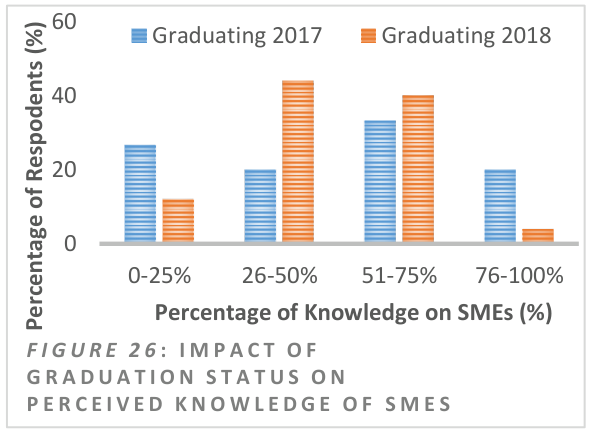
Figure 26: Impact of Graduation Status on Perceived Knowledge of SMEs
Figure 26 illustrates the relationship between graduate status and the respondents stated level of knowledge. Out of the 15 respondents who graduated in 2017, 33.3% categorised themselves as knowing an above average knowledge on SMEs. However, ‘no knowledge’ gained 26.7% while both ‘little knowledge’ and ‘a lot of knowledge’ had 20% respondents each. This means that while above average knowledge had the biggest percentage, results greatly varied between categories. Furthermore, expected graduates of 2018 deemed themselves to have ‘little knowledge’ as 4% chose this as the amount of knowledge they possessed on SMEs. ‘Above Average’ gained 40% while ‘no knowledge’ gained 12% and ‘a lot of knowledge’ having 4%, meaning that only one individual picked this response.³²
This data therefore shows a lack of a significant relationship between completing the Professional Development Module and a widened understanding of SMEs among students surveyed in the College of Social Sciences. However, in terms of numbers of respondents, current students who had yet to complete the PDM were more likely to answer in higher ranges of knowledge. It is interesting to note that students who have yet to complete the PDM feel they have a lot of knowledge on SMEs, whereas those who have already completed the PDM report lower knowledge on SMEs, with very few responses in the 76-100% range.
This meant that hypothesis 4 was not supported as findings suggested 2018 graduates reported greater understanding of SMEs.
Level of Knowledge and Firm Preference
The respondents’ perceived level knowledge of SMEs was compared to firm preference and results are presented in Figure 20. Notably, our findings indicated that those who had the most SME knowledge were more inclined to favour working in an SME rather than larger firms. Nevertheless, a significantly larger number of respondents had a preference for larger firms rather than SMEs when respondents had selected they had ‘some’ SME knowledge. Interestingly, 37.5% of respondents were unsure of firm preference. Generally, the findings demonstrate a positive relationship between level of SME knowledge and SME preference. That is, the more knowledge of SMEs that respondents had, the more likely they were to prefer to work for an SME compared with a larger firm.
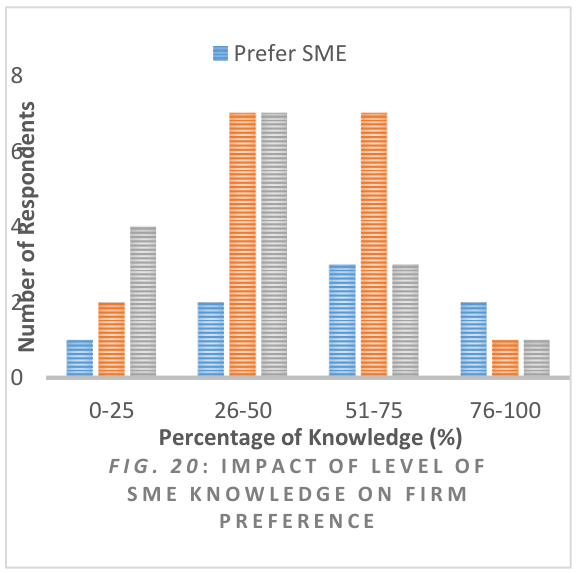
Fig. 20: Impact of Level of SME Knowledge on Firm Preference
It is important to note that the level of SME knowledge was self-identified by the respondents, thus we cannot validate the accuracy of this data. If this study is to be repeated, respondents ought to complete a SME knowledge test, with correct and incorrect answers, in order to reliably compare firm preference with respondent level of SME knowledge.
Level of Knowledge and Job Attributes associated with SMEs
We compared level of knowledge to associated SME job attributes. This was done to clarify whether the level of knowledge correlated with well-known SME job attributes; we perceive these to be managerial quality, authority given, and responsibility. While figure 11 clearly shows that most people were correct in identifying these 4 associated job attributes, the relationship this may have to the level of knowledge fails to be noticeable. Comparing those who stated they had the least amount of knowledge on SMEs to those who had the most, keeping in mind the difference in sample size and numbers, both groups gave varied answers beyond the 4 mentioned above that are usually associated with SMEs. From this, it can be suggested that the level of knowledge did not have a significant effect on their responses.
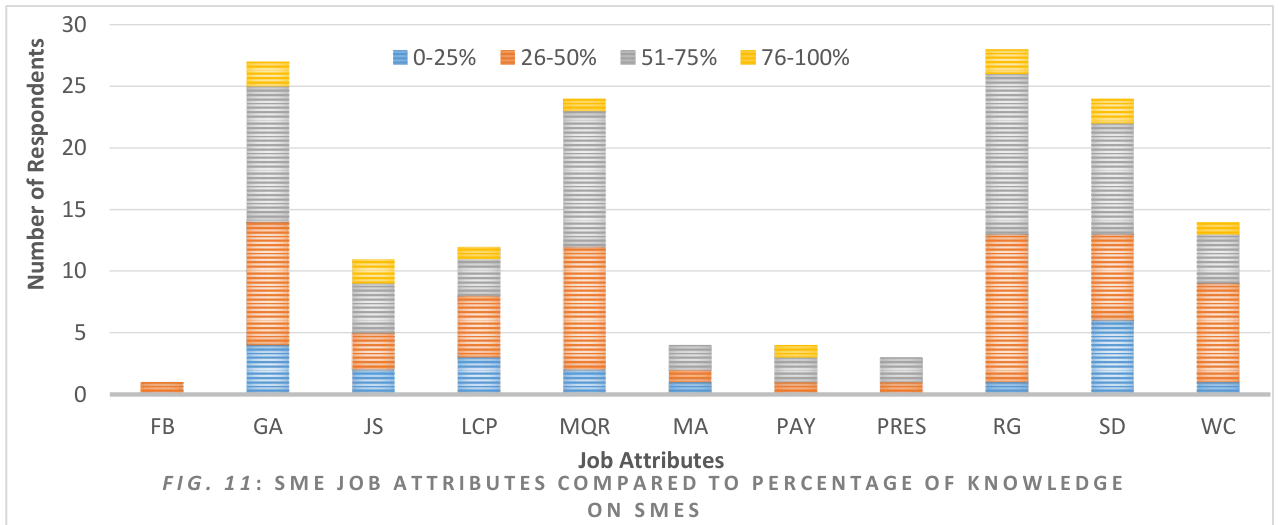
Fig. 11: SME Job Attributes Compared to Percentage of Knowledge on SMEs
It should be noted, however, that it could be the subjectivity of the questions asked that could bring about this variation. For instance, the question of ‘how much knowledge do you have on SMEs?’ could be perceived in several manners. For example, those who said they had no knowledge on SMEs still correctly identified the 4 job attributes listed previously, thus perhaps bringing in a question of whether knowing the attributes associated can actually measure the amount of knowledge they have and whether this is a lot of knowledge or none at all. Furthermore, the subjectivity also means that the individual’s personal confidence can affect their answers. Thus, the results we gathered may not be valid enough for evidence.
Visibility of SMEs Opportunities in Job Searches
Figure 24 shows results of respondents’ perceptions of SME job opportunity visibility in their job searches. In all job searching methods, respondents reported that in their searches the job advertisements were predominantly from larger firms. That is, a majority of respondents in every job search method strongly agrees or agrees with the statement. Below is a list of the job search options and the percentage of respondents that selected them that strongly agreed or agreed with the statement that the jobs advertised were predominantly from larger firms:
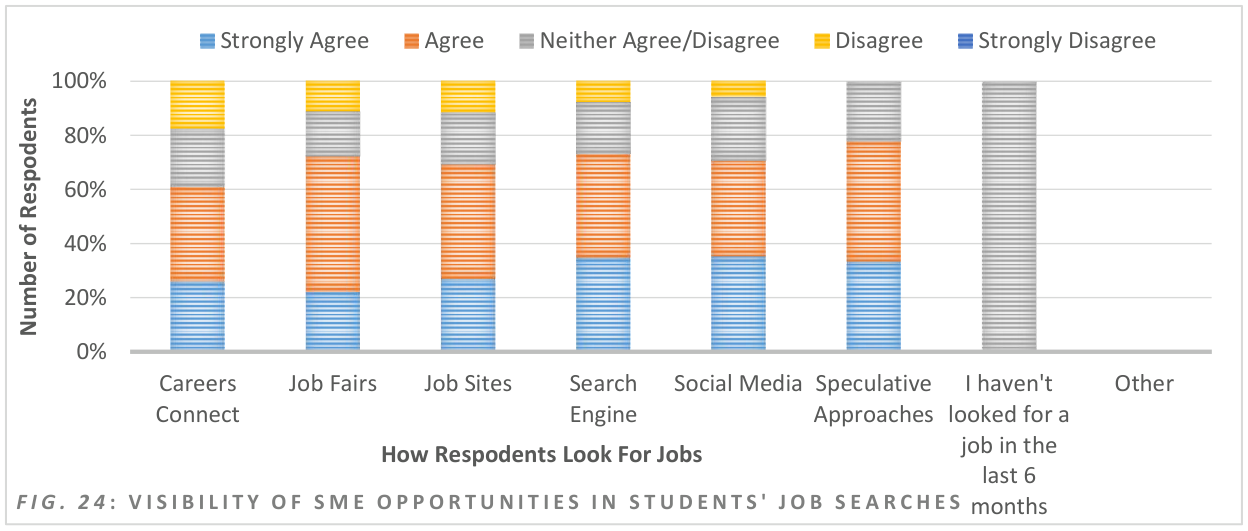
Fig. 24: Visibility of SME Opportunities in Students' Job Searches
- Careers Connect – 60.9%
- Job Fairs – 72.2%
- Job Sites – 69.2%
- Search Engine – 73.1%
- Social Media – 70.6%
- Speculative Approaches – 77.8%
These results suggest that in every single method of looking for jobs, respondents are mainly coming across opportunities from larger firms. From this, we can infer that students and graduates are significantly less likely to find SME opportunities when searching for jobs. This supports the findings of Walmsley et al. (2012) concerning an ignorance barrier, in that students are unaware or misinformed of SME opportunities, indicating a communication barrier. Additionally, this suggests that SMEs are not proactively advertising opportunities on platforms used by students and graduates.
As anticipated in hypothesis 3, the most used methods of job searching were reported as job sites and search engines – both were reportedly used by 26 respondents to search for jobs in the last six months. ‘Careers Connect’, the University of Birmingham’s job vacancy website, was found to be the third most popular method to look for a job, with 23 respondents reporting to have used it to search for jobs in the past six months.
Most respondents that have searched for jobs in the last six months strongly agreed (25% of students) or agreed (37.5% of students) that the jobs advertised in their searches were predominantly from larger firms rather than SMEs.
Recommendations
From the small sample that was gathered, our study suggests that there is no significant difference in knowledge on SMEs between those who have completed the PDM and those who are currently studying it. While the module focuses on self-reflection and personal skills, it may leave students still unaware of what opportunities or working environments are best suited to them which would essentially leave out key knowledge, continuing some misconceptions that students and graduates may possess.
We suggest that within the module’s workshops, language could be adopted in order to familiarise students with terms, jargon and definitions which they may not otherwise know, such as marketability. More effort from Careers Network generally to familiarise students with the meaning of words that are common in the world of work could also develop students’ understanding more broadly.
Furthermore, a workshop could be conducted which specifically looks at the differences between working for SMEs and larger organisations. This could imitate the public and private workshops that are currently included. This could prepare students to not only know what their personal credentials consist of but also to understand environments in which they can most effectively be used within.
Discussions with students on whether they actually want training periods and structured and centralised working conditions that larger firms can effectively situate within their companies, or whether being ‘thrown in the deep end’ at an SME is an exciting and achievable challenge to them, might also be worthwhile.
Our findings have also suggested that University of Birmingham students may not know about SMEs and what they can contribute, this was best seen by the significant amount of ‘didn’t knows’ to the question of firm-type preference from both females and expected 2018 graduates. This reflected the ignorance and market barriers that were previously discussed in the literature review.
In order for students to feel confident in relying on what is discussed in the module, we suggest bringing alumni to module workshops from both SMEs and larger firms. This can allow students to associate themselves with individuals who were previously in their place and hopefully gain an in-depth understanding of potential work placements and experiences. Job attributes can be brought into conversation while discussing what they got out of the work placement and whether long-term career there is desired. Inviting alumni from both SMEs and larger firms can make the comparisons clearer for students, reducing the impact of information barriers.
In terms of advertisement, respondents reported that the jobs advertised that they came across were predominantly from larger firms rather than SMEs. This, combined with previous findings situated within the literature review which discuss a lack of SMEs resources to recruit grads on the same premise as larger firms, brings us to a recommendation of the university acting as the ‘middle man’. In essence, this would mean the university supporting SMEs in recruitment through training and guidance in order for SMEs to avoid costs that they may not be able to commit to.
Moreover, universities need to strengthen the dialogue that may already exist with local SMEs in their area. This would create future contacts for both Careers Network and various other departments situated in the university while promoting the SME brand in career events and advertisement to increase its replication of the 60% of UK businesses who are defined as SMEs.
Similar to the research that has been carried out in this report, future research should investigate the perceptions of local SMEs on employing graduates. This would help to complete the other side of the research, the part we failed to execute due to time and funding constraints. This would produce a greater understanding of the debate and help our research go further in explaining the lack of engagement between SMEs and graduates.
Conclusion
This investigation sought to determine student and recent graduate perceptions of SMEs and the barriers preventing engagement. Using the above research questions as a guide, some important observations are noted and summarised below.
This study has shown that overall, respondents had a preference for larger firms rather than SMEs, this was reflected in male responses, whilst female responses demonstrated a general uncertainty for preference.
Our research has revealed that the job attributes that respondents valued most were long-term career prospects, pay and skill development. Respondents felt that larger firms would best provide their most important attributes, yet more than 40% of respondents’ most important attributes coincided with respondents’ self-identified SME-associated attributes. This signified that respondents were aware of desirable job attributes that SMEs could provide, however, interestingly, merely 20% of respondents preferred to work for an SME.
Our research considered the impact of the variables course programme, gender and stage of PDM on respondent engagement with SMEs. Generally, respondents that had completed PDM held a preference for larger firms, whilst those who had not yet completed the module answered that they were unsure of their firm preference. Nearly 60% of male respondents preferred larger firms compared to only 30% of female respondents. Larger firms were the most selected option by respondents from EC, BUS and IR/POLS and no single degree programme held an overall preference for SME employment.
Strikingly, our research unveiled that SME opportunities were not visible in respondents’ job searches, in each of the job-seeking platforms used.
It was found that low levels of SME knowledge acts as a barrier for respondent engagement with SMEs, for respondents that had less knowledge on SMEs were less inclined to engage with them.
To conclude, there are clear barriers that exist which prevent student engagement with SMEs. These barriers are particularly prominent in the lack of SME work opportunities in respondents’ job searches. Another indicator of the clear barriers between SMEs and students is how respondents’ most important job attributes coincided predominantly with job attributes they associated with larger firms. These barriers follow a similar trend to those discussed in our literature review, namely, the market and ignorance barriers. This suggests that barriers are present preventing student engagement with SMEs to a significant degree.
Further Research
Although the sample gave an effective insight into the perceptions of PDM students, it relies on individuals who are employment conscious, seen by their decision to take a work-based module that is both optional and relatively new. The sample could thus expand to those who decided not to take the module, along with other colleges and academic fields, although independent variables should be kept clear to not bring too much confusion.
The study should also be replicated in other universities to remove generalisations. While the study has reported on the perceptions of graduates and students within one module at the University of Birmingham, this cannot be used as evidence for graduates beyond this group as the same perceptions or misconceptions may not apply. Moreover, the question of a socialisation towards larger firms due to module focus and university influence could be investigated further. If it is found that many university graduates produce the same perceptions, then perhaps this line of argument should gain more focus within the academic debate. This would mean that factors we have overlooked in our research can be revaluated by another.
The perception of SMEs on graduates and the implications this may have on their lack of interactions must be investigated in order to analyse the debate holistically. Without this, Universities may drive into students a line of thought that may not be reciprocated in the future. Thus, research into how SMEs advertise, the obstacles they face in order to do this, their perceptions on students and what would make them more inclined to employ graduates are all questions that should be included. Also, the competition they face with most graduates preferring larger firms could be of focus in the research in order to help SMEs overcome such obstacles. These questions would help achieve a wider understanding of the barriers between SMEs and graduate employment.
References
- Arnold, J., Schalk, R. & Overbeek, S. V., (2002). Graduates experience of work in small organisations in the UK and The Netherlands: better than expected. International Small Business Journal, pp. 477-497.
- Borchardt, U. & Weidauer, K., (2013). The Value of E-Learning to the Lecturer. In: A. Kobylinski & A. Sobczak, eds. Perspectives in Business Informatics Research: 12th International Conference, BIR 2013, Warsaw, Poland, September 23-25, Proceedings. Heidelberg: Springer, pp. 214-226.
- Department for Business, Energy & Industrial Strategy, (2016). National Statistics: Business Population Estimates 2016. [Online] Available at: https://www.gov.uk/government/statistics/business-population-estimates-2016 [Accessed 11 July 2017].
- Edwards, M., (2014). The Impact of Placements on Students' Self-Efficacy. Higher Education, Skills and Work-based Learning, 4(3), pp. 228-241.
- European Commission, (2017). European Commission. [Online] Available at: http://ec.europa.eu/growth/smes/business-friendly-environment/sme-definition\_en
- Grub, L. W., Harris, M. L. & MacKenzie, W. I. J., (2007). Business students perceptions of employment in small and medium sized enterprises versus multinational corporations: investigating the moderating effects of academic major, gender and personality. Journal of Small Business Strategy, pp. 27-35.
- Mclarty, R., (1999). The skills development needs of SMEs and focus on graduate skills application. Journal of Applied Management Studies, pp. 103-111.
- Sear, L., Scurry, T., Swail, J. & Down, S., (2012). Department for Business, Innovation and Skills: Graduate Recruitment to SMEs: Final Report, Durham: SFEDI.
- Teo, H.A. and Poon, J.T.F., (1994). Career Choice of Undergraduates and SMEs in Singapore. International Journal of Career Management, pp. 20-26.
- Tibby, M., (2012). Employment and student perspectives on employability , s.l.: national co-ordinating centre for public engagement .
- Universities UK, (2016). Patterns and Trends in UK Higher Education 2016. [Online] Available at: http://www.universitiesuk.ac.uk/facts-and-stats/data-and-analysis/Documents/patterns-and-trends-2016.pdf [Accessed 11 July 2017].
- Walmsley, A., Thomas, R. & Jameson, S., (2006). Surprise and sense making: undergraduate placement experiences in SMEs. Education and Training, pp. 360-372.
- Walmsley, A., Thomas, R. & Jameson, S., (2012). Internships in SMEs and career intentions. Journal of Education and Work, pp. 185-204.
- Williams, H. & Owen, G., (1997). Recruitment and utilisation of graduates by small and medium sized enterprises, Sheffield: Policy Research Centre, Sheffeld Hallam University .
- Woods, A. & Dennis, C., (2009). What do UK small and medium sized enterprises think about employing graduates? Journal of Small Business and Enterprise Development, pp. 642-659.
Notes
23. Main author, correspondence to: isabel.morrell@hotmail.co.uk. Both authors are students at the University of Birmingham
24. Multinational Corporation
25. Higher Education Institution
26. Professional Development Module
27. Business Management/International Business
28. Economics/Money, Banking & Finance/Mathematical Economics & Statistics
29. Accounting & Finance
30. International Relations/Political Science/Political Economy
31. PPE/Sociology
32. As Question 7 is a sliding scale bar that can be dragged and dropped anywhere between 0-100 with 0 representing ‘I have no knowledge’, 50 ‘I have some knowledge’ and 100 ‘I have a lot of knowledge’ on SMEs, for analytical purposes we broke up the data into the following categories: 0-25, 26-50, 51-75, and 76-100. These appear on Figure 26.
How to cite
Morrell, I. and Stavrinou, N. (2017) ‘Student Engagement: The Challenges Facing SMEs’, Journal of Contemporary Development & Management Studies, 5(2), pp. 125–137.
Converted from the printed issue (vol05-no2-2017.pdf, PDF pages 49–61). The PDF is the version of record.