Abstract
France is far behind in languages, notably in English, and this could be detrimental to the future of its businesses. It has shown resilience to adapt to international educational standards, and companies are now starting to find that young French graduates don’t learn the necessary skills to work in an international environment. Meanwhile, Anglo-Saxon countries have been branching out and exporting their programmes to attract foreign students who are interested in Anglo-Saxon studies. The aim of this research was to find if there was an interest or a demand for such programmes amongst students and parents of students, and to determine how recruiters perceive Anglo- Saxon higher education as opposed to French higher education. Students and parents were selected through quota sampling to participate in this research, and it was discovered, by surveying them, that they were not aware of many Anglo-Saxon programmes accessible in France, notably a Bachelor programme from a Coventry University offshore campus in their own town. The HR managers, who were interviewed separately, admitted that in general French companies don’t know the content of Anglo-Saxon programmes. Students and parents of students were generally interested in English studies, most of them stating that it was the best way of perfecting language skills, while those that weren’t interested had a preference for French degrees. The majority would prefer to get their English degree abroad as well, which could mean that potential students of offshore campuses would be more likely to study abroad than in an exported programme in France. HR managers thought that education in France needs to evolve to resemble Anglo-Saxon education so that young graduates could better adapt to international companies. It has also become increasingly clear that a good level of English is required for a managerial position. Generally, French recruiters pick candidates with French degrees as they are more familiar with them. Anglo-Saxon programmes had the image of being expensive for students and their parents, while they were mostly unaware that those exact same programmes are cheaper in France. Branch campuses have an advantage of price over their home country counterparts, but they would still seem expensive to French students. However, students and their parents were still willing to pay a high price if it means having a better career. In general, students and parents of students perceived English programmes as an excellent means of language education, while HR managers perceived English programmes as essential to working in an international firm.
Keywords
Language educationEnglish Degree Programmes in FranceEnglish Language Skills
Introduction: Anglo-Saxon Studies in France
With the rise of globalization, it has become clear that using commonly accepted diplomas and knowing a universally used trading language, English, are essential to the present and the future of international business. However, France has not yet entirely accepted this new turn of events, believing instead to preserve its language and values.
The Toubon Law (1994) is a testament to this hostility towards English: it makes the use of French (in education, work, trade, and public services) mandatory, which complicates the expansion of English education in France. Nonetheless, according to Héran (2013), English education has taken great strides towards progress and raising awareness in the importance of English for international communication. In theory, teaching completely English in France is illegal according to the Toubon Law, but this law is not applicable to establishments with international courses. This is because it is clear that English is the global business language and that it encourages foreign students to study in France, making the country fifth in the world in total number of foreign students (and first for a non-English speaking country) (Le Monde, 2013: 17). In fact, a study by Campus France (2013) revealed that nine in ten foreign students who had graduated or studied in France recommend it as an attractive destination to pursue studies. Schools and universities, notably international ones, are therefore permitted to have programmes entirely in English in order to attract foreign students.
That is well and good for foreign students, but what about the development of French students? When only 39% of its population can hold a conversation in English (Appendix 1), far behind most northern European countries, it would seem that France is lagging behind when it comes to speaking English. It has become apparent that if France does not accept that English is the global language of business, it would be a fatal blow to future generations (Roberts, 2013).
There now are many forms of English programmes in France, such as offshore campuses, exported from universities in the United Kingdom or the United States (Le Monde Campus, 2014). They are attractive for French students who wish to study in English or obtain an internationally recognised diploma while spending much less than English students, but it seems that still too few students choose offshore campuses over classic French degrees. Since the implementation of the Bologna Process, which aims to converge and unify the European higher education of diplomas, France has taken steps to standardize their diplomas to the European norm (Malan, 2004), although a study has shown that awareness for this process was lacking in France as most people were still unfamiliar with it (Neive, Veiga, 2013: 70).
It would appear that French students have gained more and more interest over the years in English, but that insufficient data has been collected to know the perceptions and the demand in the market. It would be greatly beneficial to understand the perceptions and demand for such education in France and to study a relatively affluent area to know more accurately how to market them, or at least to be able to determine what their perceptions are. More specifically, the sample target of my research was the vicinity of Meaux, because little research has been done there, and the presence of a Coventry University London Campus offshore campus there made the location ideal for the study.
So to reiterate the question: what are the perceptions and the demand for higher education English programmes in France? I will first present the objectives of this research, as they were the three objectives that guided the direction of my study. Then, the “literature review” section will give an overview of the secondary data findings, and what secondary sources have said on the topic. After that, the “methodology” section provides explanations about my research plan, philosophy, approaches, strategies and data collection methods. Finally, I will explain how I collected my data, and then present the analysis of the collected primary and secondary data.
Research Objectives
These objectives were verified by the SMART method, to make sure they were Specific, Measurable, Achievable, Realistic and Timely.
1/ Identify the perceptions of higher education in English for students who attend schools in Meaux (one of the two largest cities in Seine-et-Marne, France).
Students from two different schools in Meaux were selected for sampling. Of the 150 that were selected, half were in private schools in special English programmes, and the other half in public schools and not doing special English programmes. This research aimed to find their awareness, interest and demand for higher education English programmes.
2/ Identify the perceptions of higher education in English for parents of students in Meaux.
A sample of 50 parents of students was selected to represent parents of students in France in general, as parents are often the ones who pay for a student’s education and influence where he or she may want to study, then it was deemed pertinent to also find their awareness, interest and demand for higher education English programmes.
3/ Determine perceptions of HR representatives in International companies in evaluating diplomas and other qualifications in English of prospective employees.
To represent International companies in France, two HR managers in large firms accepted to be interviewed. The aim of this research was find out how they value Anglo-Saxon degrees in their companies, what their awareness of those degrees were, and what they look for in candidates.
Literature Review
A study conducted by the British Council (Going Global, 2014a) discovered that most students around the world participating in international programmes have begun such education because of the opportunities of an internationally recognized degree and to learn English. French students were part of the sample surveyed. For the most part, French students prefer graduating in French universities in French programmes, and the Bologna Process did little to change French perceptions of international degrees (Neive, Veiga, 2013) despite the change in education structure (LMD), and it was only recently that the English “Bachelor” started to become a trend amongst students in France, although it is still not very known by recruiters, as only 80% of those surveyed in a recent study “knew” what a Bachelor is and only 36% of them recognised it as an undergraduate degree (Arnoux, 2013). This point was stated as well by Pompey (2013) and by Bourcieu (2013) who explained that French have a misconception about what the English term Bachelor stands for.
The study by Héran (2013) proved that English is already the dominating language in France for science and business, even though the French government is still divided on whether it should allow English more leeway (Caulcutt, 2013). This therefore could be linked to the issue of the Bachelor degree not being as recognised in France as the Licence, even though they are officially equivalent (according to the Bologna Process), and it could be linked as well to the entire issue of the perceptions of higher education English programmes, such as those accessible in offshore campuses. An article in the Guardian by Ratcliffe (2013), confirmed that there was a recent surge of students worldwide enrolling in international branch campuses, while another article in the Guardian by Adams (2014) went so far as to say that British students were interested in enrolling overseas, such as in France, because of the more advantageous tuition fees.
According to the University of Boston, branch campuses are risky because they may suffer from reputation (Boston College, 2010: 3), but another study by the British Council (Going Global, 2013b) shows that transnational higher education campuses are greatly beneficial for the host country, since most students find those programmes more affordable than studying abroad. Finally, an article by the Observatory of Borderless Higher Education (Anon, 2009), explains that the “increase in English-taught programmes (in France) has been driven primarily by competition for international prestige, students and revenue”. However, it poses the legitimate question if English will survive the test of time throughout the French education system.
While it is yet unclear what the perceptions in France of English higher education programmes are, some studies have been made about the perceptions of French higher education by foreigners, such as in The Figaro (2015a), and it was revealed that foreigners do not understand why French managers pay more importance to their qualifications rather than their skills and competences when clearly companies in France find that students who graduated in French universities do not learn the skills required to work in large international firms (Figaro, 2015b). However, it is clear that insufficient field research had been conducted on the demand and perceptions for Anglo-Saxon programmes in France, which lends weight to the purpose of this research.
Methodology and Research Design
In respect of the research design, Pragmatism was adopted as the prevailing philosophy, a blended approach to Induction and Deduction was taken and a mixture of qualitative and quantative methods was adopted. Having explained my research design, the first method of data collection selected was the questionnaire, because I could survey a sample of respondents, representative of the parents, students and HR managers all across France in within a short period of time. My next data collection approach was to conduct semi-structured interviews, which could provide more detailed answers and add more information and insight on the topic than could be gathered in a survey. To complete the triangulation of data, a review of secondary data deemed relevant to my subject was undertaken. This method of collecting data allowed me to get insight into my topic or on a related topic through the eyes of journalists and experts. These three methods together gave me enough data that, after analysis, I was be able to give a complete description and even go further and explain the perceptions of higher education English programs in Meaux.
Data Collection and Analysis
The target of this research was to have responses from students from two very different types of programmes. On the one hand, there were students from a two-year programme on managing enterprises, and these students will now be referred to as “Management students” (or “MUC students”). On the other hand, there were students from an optional high school programme that is attached to the Baccalauréat that gives more Engish language training. These students more focused on English training will now be referred to as international students (or “SI students”).
The Management programme is a more French orientated degree, which focuses on business inside of France, while the International Section programme has a more international orientation and aims to make its students better at languages and more interested in other cultures. Surveying students answered my first research objective.
The second research objective was to find the perceptions of the students’ parents. For this, surveys were also handed to the parents of the students of the International Section, and they were kind enough to answer the questions for the sake of educating their children.
The initial idea, concerning the survey, was to have the students and parents fill out the questionnaire online through SurveyMonkey.com. However, this method wouldn’t have been very efficient, since there was the possibility of getting a low response rate, and the aim at first was to have between 100 and 150 responses. I therefore opted for a more direct approach. I printed and personally handed out the surveys to students in the two different schools and they filled them out and returned them straight-away. In the end, the aim of total responses was met, which had the potential of making this research more credible.
The professors teaching on the two programmes allowed me to distribute the questionnaires to their students. Consequently, some of the questions were designed specifically to provide professors with more insight about what the students thought of their current programmes. This meant that there were two survey models: one for the International students and one for the Management students. The main questions that were pertinent to this research were the same for both questionnaires, so comparing all three groups (the two different programmes, and the parents) was very relevant.
Third Objective: collecting data from International Companies in France
To meet the third objective of finding the perceptions of HR representatives of International companies in France on English higher education, it was decided that interviews would be the best method of collecting qualitative data. I was able to get in contact two HR managers from large International companies, but because of how far away they were, and because the travel expenses did not enter into the budget of this research, it was decided that the interviews would be over the phone, rather than in person. The two interviewees were very helpful with their responses and were most interested in the topic for personal and professional reasons.
Collecting Data from Secondary Sources
Secondary data was also collected, through academic journals, business journals and other reliable news sources, such as The Guardian, as well as many reviews and magazines in France that covered the topic. Because of this, some of the sources that were collected are in French, but as this research concerns the perceptions in France, then it is quite pertinent. Collecting secondary data was also vital for understanding the current situation of higher education in France.
Data Analysis
The first objective of this research was to discover the perceptions of students of English higher education programmes. I wanted to find out, first of all, what English programmes students know of, or if they are interested in them at all. In the survey, several English programmes were listed, and the respondents were asked if they knew of them.
What these charts reveal is that a minimum of 80% of Management students (Figure 2) did not know about these programmes and were not interested in knowing about them. The International Students (Figure 1) proved to be more informed of these programmes, as they knew more about such English programmes as the Baccalauréat International or the TOEIC and even 60% were interested in knowing more about the OIB. Interestingly enough, the parents of the International Section knew less about these programmes than their children, but it is likely because the students have encountered them while at school.
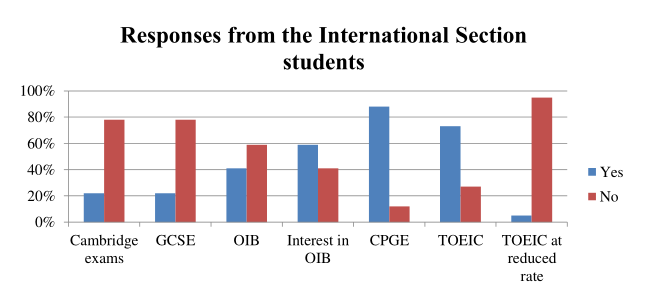
Figure 1. What programmes do they know?
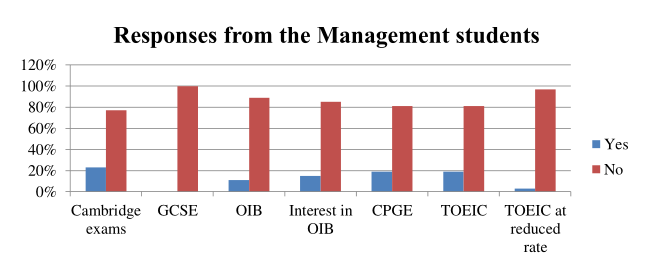
Figure 2. What programmes do they know? (management students)
The next question of the survey was about the Bachelor’s degree. From the initial secondary data analysis, it was revealed that only 36% of French know that the Bachelor is an undergraduate degree (Arnoux, 2013). To verify this number, the sample of students was asked about it
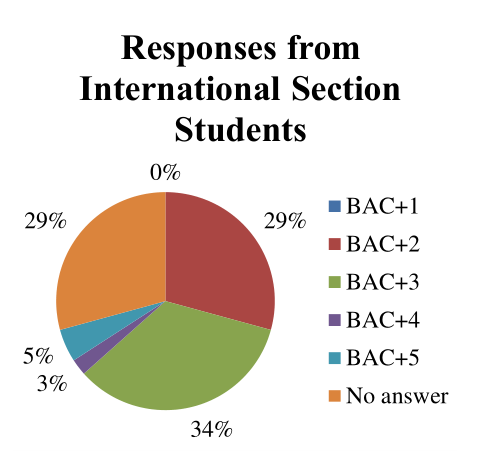
Figure 3a: University Level French students International Section believe a bachelor represents
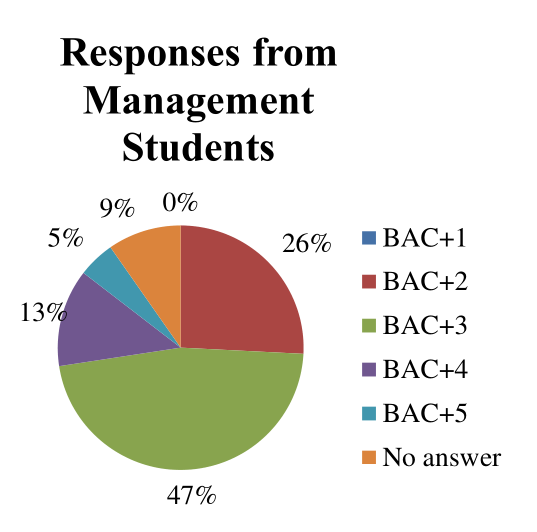
Figure 3b: University Level French Management students believe a bachelor represents
When French refer to the different levels of higher education, they speak in terms of how many years after the Baccalauréat. Therefore, a Master’s degree is also known as a BAC+5. Officially, a Bachelor degree would be a BAC+3, because the Licence diploma (a BAC+3) was created - with the implementation of the Bologna Process in France - to be the equivalent of the Bachelor degree. A BA with Honours is actually recognised internationally as a BAC+4 (a senior undergraduate degree), while it is not recognised as thus in France. This is why, when querying about the Bachelor degree, I asked if the respondents knew what the level of education for it was. BAC+3 and BAC+4 were both accepted as correct answers. Only 37% (34+3) of International students were correct in guessing what a Bachelor is (Figure 4), and over a quarter didn’t even venture a guess, while 60% (47+13) of Management students were right. This still represents an alarming number of students who are unsure of what a Bachelor is, which only proves the information collected from the secondary data. This misconception is perhaps due to the fact that it is commonly known in France that a “Bachelier” is a student who has passed the Baccalauréat. This is also stated by both Pompey (2013) and Bourcieu (2013), who claim as well that the “Bachelor” has no renown amongst the French population. HR representatives in France were more knowledgeable on the subject. They both knew that the Licence is meant to be the equivalent of the Bachelor, but while one stated that in his company they did not know what skills could be learned from this degree, the other HR representative said that her company had an HR team that specialised in finding out exactly what these degrees offered students. The parents of International Section, meanwhile, also knew more of this degree than the students did, as two thirds of them knew of its equivalence.
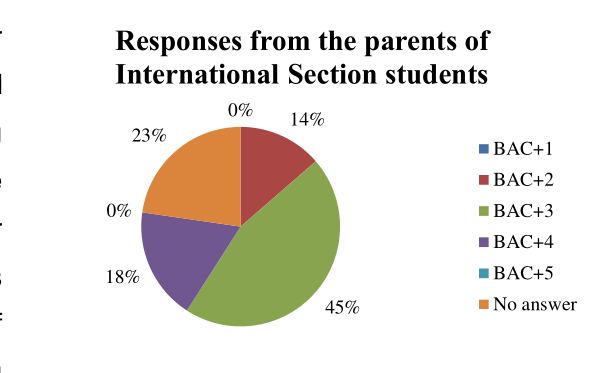
Figure 4 Responses from the parents:
Furthermore, when asked if they knew about the offshore campus of Coventry University in their own town, Meaux, nearly three quarters of all students had no idea of its presence (Figure 5). While analysis of secondary data has shown that offshore campuses are spreading worldwide (Ratcliffe, 2013), they are generally not as well-known as local programmes (Boston College, 2010: 3). The findings of the survey are a testament to that last point
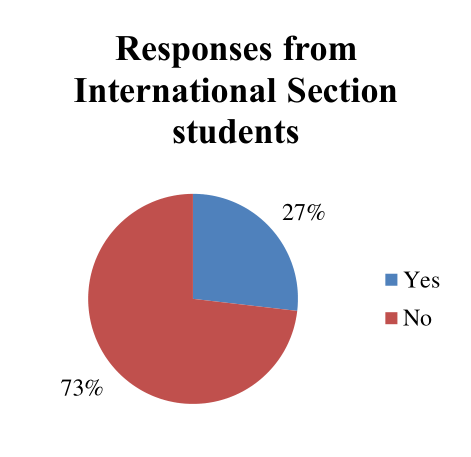
Figure 5 Are they aware of a Bachelor programme in their area (international section)?
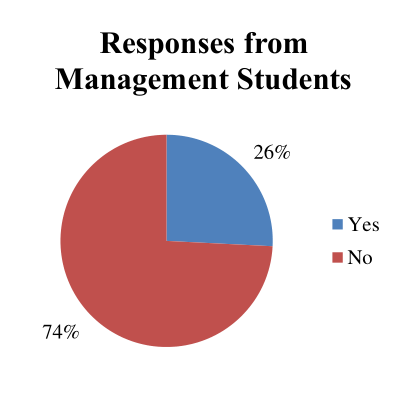
Figure 6 Are they aware of a Bachelor programme in their area (management students)?
The parents also did not know of the existence of a Bachelor programme in their area.
Clearly, this proves that the Bachelor degree is generally not well known in France, while it is a staple of higher education all around the world. Is it because French education is far behind the educational systems of other countries, as suggested by the interview of HR staff members? It could also just simply be an issue of translation.
Since preliminary analysis of secondary data made clear that there was a misconception of the term “Bachelor” in France, this allowed for the creation of a theory that maybe French would prefer if it were called an “English licence” (Licence Anglaise). Proposing this as a hypothesis, a theory previously created in my mind, I added deduction to my approach (Saunders & Lewis, 2012). I then asked if the respondents would prefer a “French licence in English”, or an “English licence” (Figure 7).
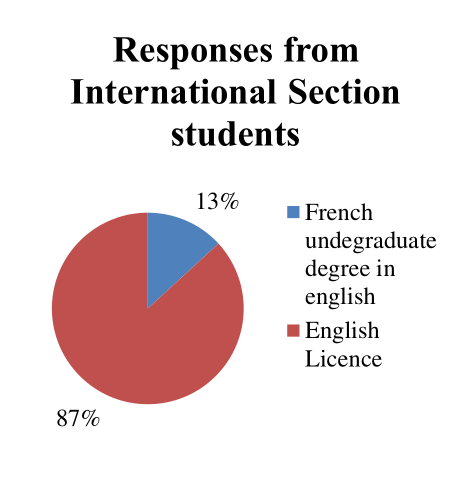
Figure 7a. French Bachelor in English or an English Bachelor? International Section
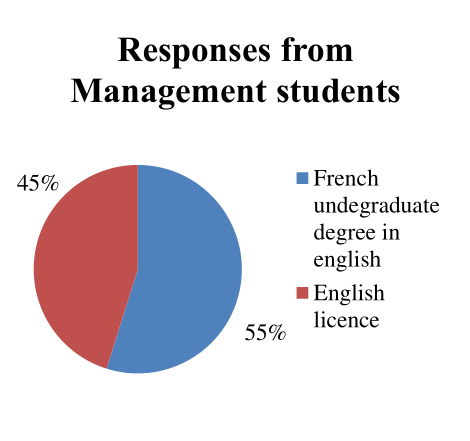
Figure 7b. French Bachelor in English or an English Bachelor? Management Students
Responses were vastly different here, as we can see that more than half of Management students preferred having a French licence in English over an English licence, while nearly nine in ten of the International Section students preferred the English licence.
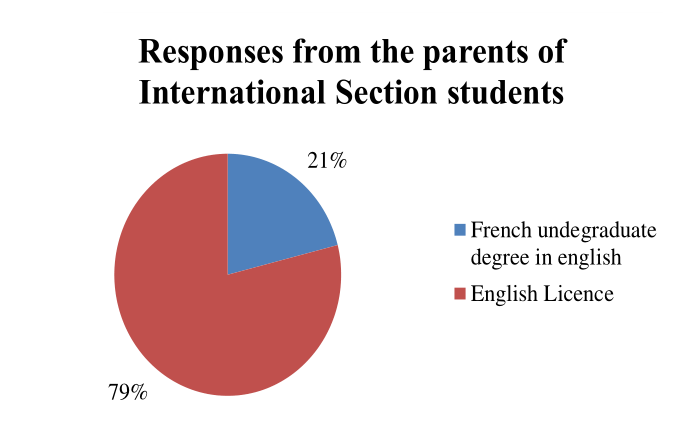
Figure 8. French Bachelor in English or an English Bachelor?
More than two thirds of the students’ parents also thought that getting an English licence would be more interesting than a French one. Most parents said that “total immersion” in another country would accelerate learning its language and culture. So, in general, the prospect of getting an international degree is attractive for many students and parents, but most of them still do not know that what they should be looking for is a Bachelor degree, for example. It could therefore be debated that perhaps the Bachelor programme should be called an “English Licence” in France.
However, what HR managers had to say about that is quite different: “I don’t know if offshore campuses should change the name of the Bachelor just to attract students. It would do well on the short term, but not on the long term”. Companies see the Bachelor as “chic”, and many are now starting to see that the Bachelor, as an Anglo-Saxon degree, gives students the tools they need to be able to adapt to company requirements, especially since a recent study in the Figaro (2015b) revealed that most companies believe that students who graduate from French universities lack the requisite business skills and knowledge.
One possibility of the ignorance in France concerning the English higher education degrees is that many French are proud of their language and culture. In order to protect their language and culture from the “invasion” of English, the government instated the Toubon Law (1994), which makes the use of French mandatory for any work, trade, education or public services inside of France. This means that English is only (officially) taught to be used abroad.
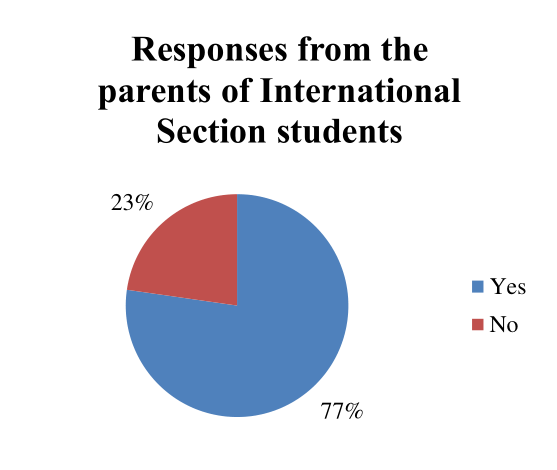
Figure 9: Would they consider an English Higher Education programme for their children? (parents)
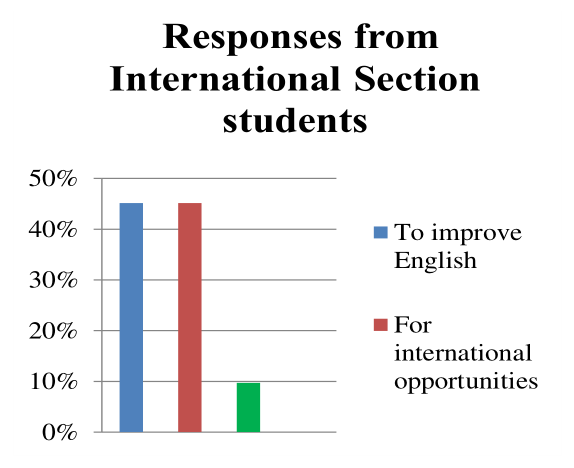
Figure 10a. Why they would choose an English degree (international section students)
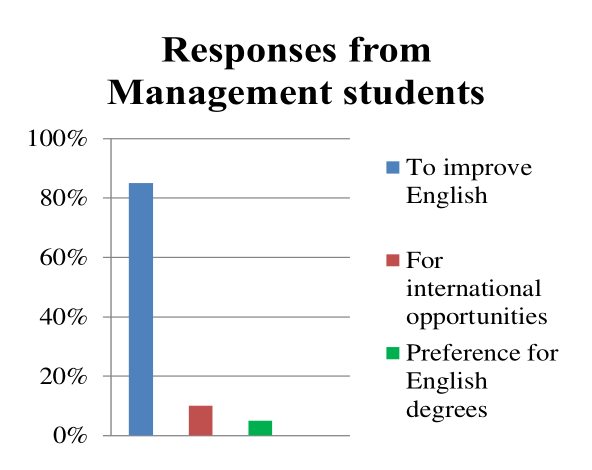
Figure 10b. Why they would choose an English degree (management students)
It is clear from Figure 10a of the responses of International Section students that nearly half, of those who would consider an English higher education degree, wish to pursue English studies because they want to improve their level of English, while the same percentage of respondents would consider English studies for the international opportunities. Meanwhile, concerning the Management students, of the 32% that would consider an English degree, more than 8 out of 10 of them would choose this path in order to improve their level of English. This point can also be proven by research done by the British Council (Going Global, 2014a), which states that students from all around Europe, including France, tend to choose an English higher education degree mainly to improve their language skills.
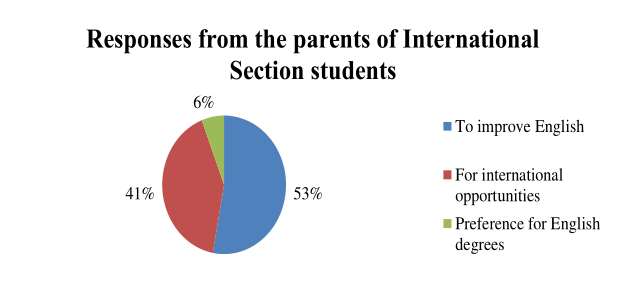
Figure 11. Why they would choose an English degree (parents)
HR managers also believe that having an Anglo-Saxon degree is better for an international career. According to them, French universities format their students to work in France (but as we saw earlier, it is no longer the case), while Anglo-Saxon universities give students more international opportunities.
Parents would also choose an English degree for linguistic purposes. What I can deduce from this is that parents, as well as students, perceive English programmes as an excellent way of learning English, and by extension it also means that they perceive English as an important language that must be learned. On the other hand, HR managers said that speaking English in companies in France is not a prerequisite unless candidates want a managerial position. This could be the one of the reasons why parents want their children to learn English, as they believe that learning English will give them more professional opportunities, in France or abroad.
Figure 12 shows that more than three in four of all students would prefer to study abroad, because there is no better way to learn a language than full immersion in another country. Studying abroad also provides more experience with another country’s culture, which in turn opens up new potential career opportunities, because recruiters seek out people with more knowledge about a country’s subculture.
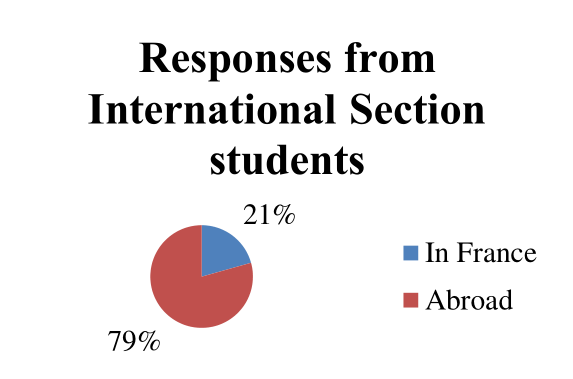
Figure 12a where would they enrol (section international students
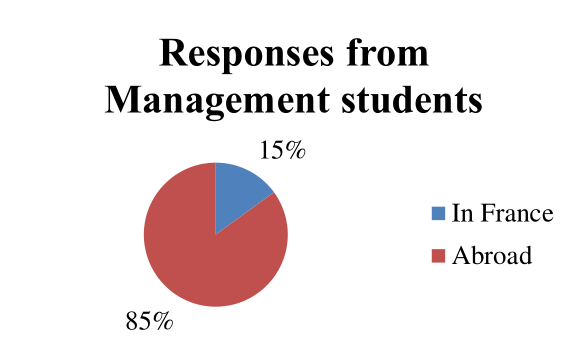
Figure 12b where would they enrol (management students
As seen above improving English and career opportunities were the two main reasons cited for their choice of study abroad. In fact nine in ten of respondents who preferred to stay in France said they did so to stay close to their families.
While considerably fewer of the International Section students said that their reason for not choosing an English degree was because they weren’t interested in working abroad, this was because more than one in four were more interested in French degrees, and because more than one in four thought the costs were too high. Three in four of the students answering other stated their primary reason was proximity to their families. These students maybe thought it was only possible to obtain an English degree abroad, although offshore campuses in France offer degrees in English in many major cities in France. This could be more of a cultural issue than an institutional one. English is, after all, the language of science and business (Héran, 2013), and even local firms and businesses must adapt to internationalisation. Perhaps French students are misinformed as to what an English degree provides.
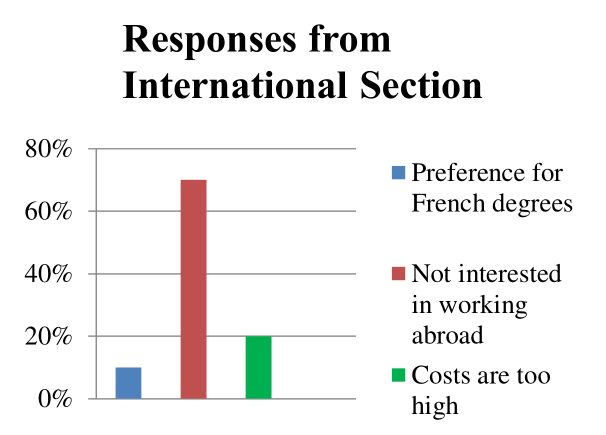
Figure 13. Why they would not choose an English degree (SI students)
The Management students (Figure 14), who answered “no” to an English degree, were more split on their reasons. The four different factors were each between 24% and 26%.
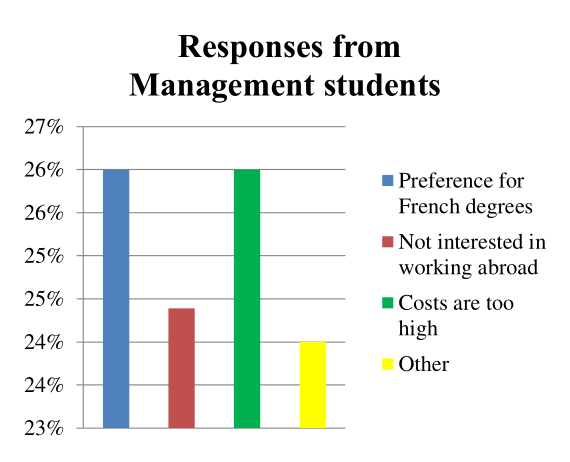
Figure 14. Why they would not choose an English degree (MUC students)
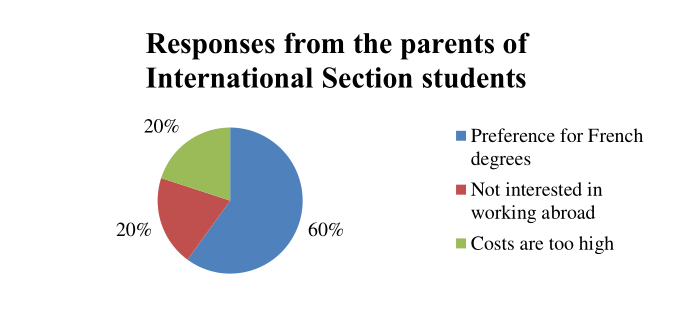
Figure 15. Why they would not choose an English degree (SI parents)
Meanwhile, the majority (60%) of parents - who would not consider enrolling their children in an English degree - had a preference for French degrees. As the HR managers have confirmed, it is not necessary in France to have Ango-Saxon degree. In fact, candidates with French degrees have higher chances of getting better positions and salaries, because a lot of companies do not recognize Anglo-Saxon degrees for what they’re worth, and they don’t know what is taught in such programmes.
To summarize this section, it is clear that students and parents who were interested in an English higher education degree view such a degree as either an ideal course for improving their level of English and as a tool to have a career with better opportunities. They were all nearly unanimous in saying that the ideal place to study for an English degree is abroad, because complete immersion is the best form of education possible. This factor also means that those students would likely prefer studying abroad rather than enrolling in an offshore campus. This could explain why branch campuses are not as popular in France, and why they’re not well known, because students prefer studying for English programmes abroad. HR representatives further emphasized that while speaking English is not a necessity in France (far from it), it is imperative for those in managerial positions in International firms.
On the other hand, those who were not interested in a higher education in English, stated that this is because they were for the most part not interested in working abroad and were more interested in French degrees. Over a quarter of the Management students even said they would not try their hand at an English degree because they believed it to be too costly. Finally, 60% of parents, who were not interested in encouraging their children to enroll in an English higher education programme, preferred French degrees. The general perceptions by students, parents and HR managers is that to work in France, one must have a French degree, while working abroad or in an International context is best with an Anglo-Saxon qualification.
Overall, only half the students were interested in a higher education degree in English. This total is quite satisfactory, as it seems there is a high demand for such education, which means a lot of potential students who would enrol in a higher education English programme. Unfortunately, being interested in it does not necessarily mean that they would, as other important factors would come in the way: their future career plans (and where they want to work), costs (as French universities are often less costly than in Anglo-Saxon countries), and perhaps also the fact that they would not want to go too far from home (in which case they are unaware of the rising number of offshore campuses in France).
Perceptions of Cost in English Higher Education
As mentioned in Figures 13, 14 and 15, the cost of a programme was a big reason why students wouldn’t enrol in an English course. Several of the questions of the survey were on the topic of cost, because it is a significant factor when choosing a programme and aim of this research was to determine how important costs were to students when they are choosing an educational programme, and to determine if they thought such degrees were too costly. This is why respondents were asked to classify different factors, when choosing an educational programme, in order of importance. These rankings were rearranged into points (5 points for most important, 4 points for second, etcetera), so that we could see what factors were more important to the respondents. So in Figure 16, “professional opportunities” has scored nearly 500 points from the answers of all students.
Educational experience
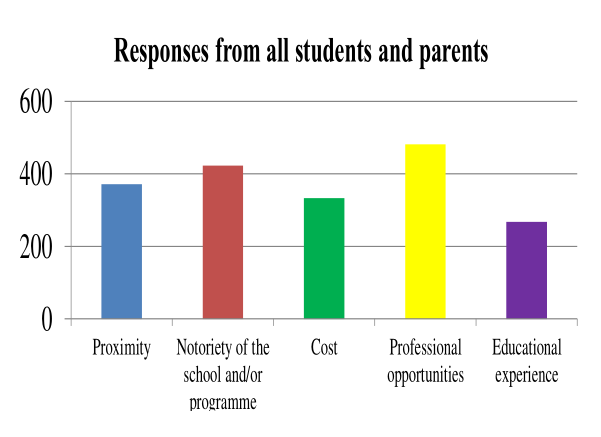
Figure 16. Factors involved in choosing a programme
This bar chart reveals that when students and parents choose a programme, the first factor they are looking for are the professional opportunities. Second comes the notoriety of the school and/or of the programme; third is the proximity of the school to them, and the cost of the programme comes only fourth.
This does not mean that students and parents don’t place any importance on the cost of a programme, but rather that the other factors are more important. That also means that if a course offers considerable professional opportunities, has a very good reputation, and is near enough, then there are more chances that students and parents would try to overcome the costs of the programme.
This knowledge could be very useful, because offshore campuses of English programmes could try to market their courses as steppingstones to successful professional careers. Students and parents need to feel like they are getting their money’s worth for their education. One of the possible perceptions of parents and students concerning English higher education is that it is not worth the investment.
However, the next graphs (Figures 17) show that students are quite unaware of the tuition fees for English degrees in France (offshore campuses). While undergraduate degrees cost in average £9,000 in the United Kingdom, a BA (Hons) Global Business degree costs only half that price in euros in an offshore English provision in France.
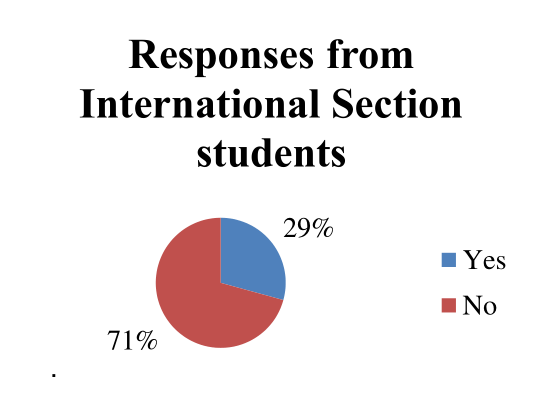
Figure 17a. Do they know if English degrees are cheaper in France? (international section students)
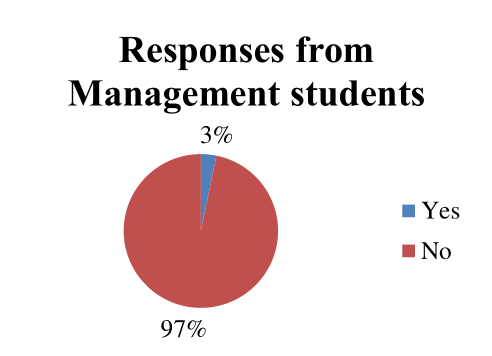
Figure 17b. Do they know if English degrees are cheaper in France? (management students)
Respondents were asked if they knew that the tuition fees for Anglo-Saxon degrees were cheaper in France than in their own countries, and nearly three in four of the International Section students answered that they didn’t know (and more than three in four for their parents), while nearly all of the Management students answered “no”. On the other hand, British students are aware of this price difference, as even an article in The Guardian states that more and more British students were interested in enrolling in British offshore campuses for the more affordable tuition fees (Adams, 2014). In fact, these exported campuses are a boost for the host country, because they bring in “prestige, students and revenue” (Anon, 2009), so it really should be a priority for these offshore campuses to better promote their programmes.
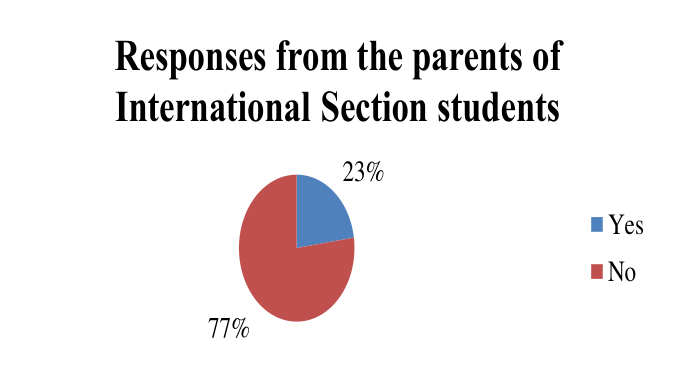
Figure 18. Do they know if English degrees are cheaper in France (parents)
Finally, the respondents were asked if, in the case that they had the possibility to enrol in a Bachelor programme with Coventry University in France, the tuition fee would deter them from choosing the Bachelor course (Figures 19).
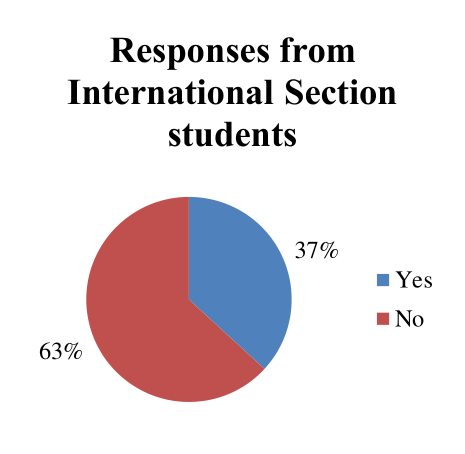
Figure 19a. Would the cost of a Bachelor deter students from enrolling? (international students)
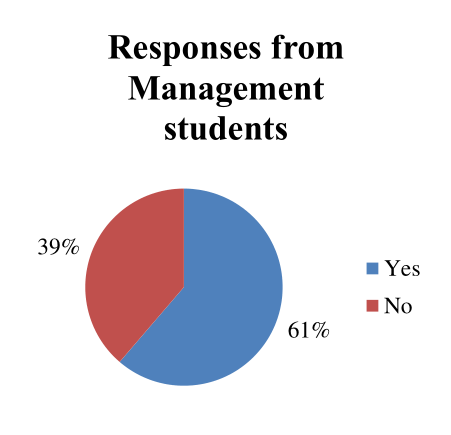
Figure 19b. Would the cost of a Bachelor deter students from enrolling? (management students)
The responses, once again, were diametrically opposite. Nearly two thirds of the International Section students would not be deterred by the tuition fee of a Bachelor programme in France, while only more than a third of the Management students said the same.
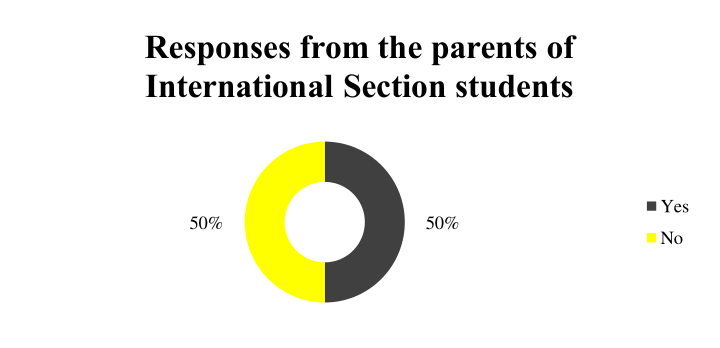
Figure 20. Would the cost of a Bachelor deter parents from enrolling their children?
The parents of students were a perfect split on the question. A quarter of them added as an additional comment that they did not know what the cost of the programme was, so they could not properly answer the question. International Section students were clearly more aware, in general, of higher education English programmes, as well as more interested, and more apt to pay the tuition fees, than the Management students. It’s also important to note that students were generally more interested in the language aspects of such education, and most of those who weren’t interested in English programmes were actually not interested in the English language or culture at all. Furthermore, English programmes in France seem to carry the image of being expensive. To recap, students and parents see English programmes as expensive, but the majority would consider enrolling in one of those programmes if they thought they were worth the cost.
Conclusion
In general, students and parents of students are unaware of many common International or Anglo-Saxon degrees that are accessible in France. There are two possibilities for this: either they were simply not interested in English degrees and that is why they never researched them, or the programmes are insufficiently advertised.
Nearly half of the total respondents of the survey (parents and students) did not know what the French equivalent of a Bachelor degree is. The interviewed HR managers knew of the equivalence of the Bachelor degree, but both confirmed that generally, in France, recruiters do not know what it is, and would most likely associate it with the Baccalauréat.
Maybe renaming the Bachelor in France as an “English Licence” would give the degree more credibility with French students, parents and recruiters. However, this would only serve on the short term (if even), because the Bachelor and the Licence are not really comparable in terms of content, methods of teaching, or international recognition. As stated by one of the HR managers, a Bachelor degree is perceived as being more “chic”.
Half the students surveyed were interested in English higher education. Their main reasons for this were to improve their level of English and to gain access to better international career opportunities. Most were unaware of the costs of English programmes, or even that English offshore campuses in France were quite affordable, but at least half of the total number of surveyed students were willing to choose a programme that offered what they wanted even if they were costly. Meanwhile, those who were not interested in English higher education preferred French degrees or were not interested in working abroad. Clearly, the perceptions of students are that English higher education programmes are ideal for working abroad or in an International context, and that it is better to have a French degree if one wants to work in France.
Three quarters of the parents of students were interested in English higher education for their children. Their main reason (by far) was so that their children could better learn English, which is also why the majority of parents would want them to study abroad, as it is the best way to learn a language. However, those who weren’t interested in enrolling their children in English higher education programmes stated – for the most part – that they were more interested in French degrees. If the two different points of view were to be assembled together, it could be assumed that parents perceive English higher education as an excellent means of learning English, but that getting a French degree is best for getting a managerial position in France.
Large companies in France do not make it mandatory for their employees to speak English, except for the managers who work in International firms. Speaking English is definitely an added value in a candidate’s résumé, but it is not a requirement except for managerial positions. The HR representatives were agreed on the fact that a French degree is best for working in France - because companies recognise them, unlike Anglo-Saxon degrees –while an Anglo-Saxon degree is ideal for working abroad. They further added that French programmes should evolve to resemble their Anglo-Saxon counterparts, because young graduates from French universities often do not meet company requirements.
Generally, HR managers see Anglo-Saxon degrees in a good light, and they hope that these degrees get more recognition and notoriety in France, but currently companies are more French degree-orientated, mostly because they are unaware of what Anglo-Saxon programmes teach their students.
Recommendations
As this is just a study that aimed to find the perceptions in France of higher education English programmes, the recommendations presented here are rather points to think about if campuses of English higher education programmes wish to improve their services:
- Continue with the expansion of offshore campuses in France. These campuses offer interesting alternatives to students who wish to graduate with an English degree (to either improve their language skills or to open doors to International companies) but don’t want to go too far from home or cannot afford to study abroad.
- Include additional hours of English training in the offshore campuses. As English is the number one reason why students and their parents find Anglo-Saxon programmes to be attractive is that they are efficient means of learning English. This point could be used during promotions of these programmes to better sell them.
- Keep the tuition fees of these programmes under the prices of the “grandes écoles” in France, so as to be a competitive advantage. Increasing the tuition fees might only scare away potential students, including students who would be a perfect fit for these programmes, but feel they could not afford it.
References
- Adams, R. (2014) Tuition fees encourage students to study abroad, [online] available from http://www.theguardian.com/education/2014/apr/24/tuition-fees-british-students-abroad [21/01/2015]
- Anon. (2009) Allez-y? France’s latest transnational education initiatives to increase its market share in North Africa and the Middle East, Observatory of Borderless Higher Education
- Arnoux, P (2013) L’étonnant succès du Bachelor,(French) [online] available from http://www.lenouveleconomiste.fr/letonnant-succes-du-bachelor-19993/ [21/01/2015]
- Bourcieu, S. (2013) Un bachelor au positionnement très international, (French) [online] available from http://www.e-orientations.com/diplomes/bachelor/stephan-bourcieu-esc-dijon-bachelor-ositionnement-international [21/01/2015]
- Boston College (2010) Branch campuses and transnational higher education, International Higher Education, The Boston College Center for International Higher Education, Number 58 Winter 2010
- Campus France (2013) 9 out of 10 recommend France to study abroad, [online] available from http://www.campusfrance.org/en/news/9-students-out-10-recommend-france-study-abroad [15/05/2015]
- Caulcutt, C. (2013) French can’t block the English signal, [online] available from http://www.timeshighereducation.co.uk/news/french-cant-block-the-english-signal/2004317.article
- Di Somma, M. (2014) Brand perceptions: Perceived Quality Rules the Day, [online] aailable from http://www.brandingstrategyinsider.com/brand-perceptions [08/03/2015]
- Eurobarometer 386 (2012) Europeans and their languages, Special Eurobarometer 386, European Commission
- Figaro (2015a) Que pensent les cadre étrangers du management à la française ? , (French) [online] available from http://www.lefigaro.fr/emploi/2015/05/07/09005-20150507ARTFIG00012-que-pensent-les-cadres-etrangers-du-management-a-la-francaise.php [13/05/2015]
- Figaro (2015b) Les diplômes de l’université inadaptés à l’entreprise, (French) [online] available from http://etudiant.lefigaro.fr/stage-emploi/actu/detail/article/les-diplomes-de-l-universite-inadaptes-a-l-entreprise-13575/ [14/05/2015]
- Going Global (2014a) Exploring the impacts of transnational education on host countries: a pilot study, British Council
- Going Global (2014b) Impacts of transnational education on host countries: academic, cultural, economic and skills impacts and implications of programme and provider mobility, British Council
- Héran, F. (2013) No English please! Survey on the languages used for research and teaching in France, Population & Societies, National Institute for Demographic Studies (INED)
- James, W. (1907) Pragmatism: A New Name for some Old Ways of Thinking, Hackett Publishing
- Le Monde (2013) Facultés: les cours en anglais sont une chance et une réalité, Le Monde, 8 May 2013, text signed by Fr. Barré-Sinoussi, V. Berger, A. Fuchs, S. Haroche, A. Petit, C. Villani. (French)
- Le Monde Campus (2014) Etudier dans une université britannique…à Paris, [online] available from http://campus.lemonde.fr/campus/article/2014/10/08/etudier-dans-une-universite-britannique-a-paris_4502628_4401467.html (15/12/14) (french)
- Malan (2004) Implementing the Bologna Process in France, European Journal of Education, Vol. 39, No. 3, 2004
- Neive, G. , Veiga, A. (2013) The Bologna Process: inception, ‘take up’ and familiarity, Higher Education, Springer Science & Business
- Pompey, J. (2013) Le très fort développement du diplôme Bachelor, (french) [online] available from http://www.e-orientations.com/diplomes/bachelor/fort-developpement-diplome-bachelor [21/01/2015]
- Ratcliffe, R. (2013) Surge in students studying for UK degrees abroad, [online] available from http://www.theguardian.com/education/2013/feb/15/surge-in-students-studying-for-uk-degrees-abroad [21/01/2015]
- Roberts (2013) France’s pointless, hopeless battle against English, [online] available from http://www.thedailybeast.com/articles/2013/05/30/france-s-pointless-hopeless-battle-against-english.html (22/12/14)
- Saunders, M. , Lewis, P. (2012) Doing Research in Business & Management: An essential guide to Planning Your Project, Prentice Hall
- Toubon Law (1994) [online] available from http://www.legifrance.gouv.fr/affichTexte.do?cidTexte=LEGITEXT000005616341 (15/12/14)
How to cite
Verger, N. (2021) ‘The Perceptions in France of Higher Education Programmes Taught in English’, Journal of Contemporary Development & Management Studies, 9(1), pp. 94–112.
Converted from the printed issue (vol09-no1-2021.pdf, PDF pages 94–112). The PDF is the version of record.